Author: Chigozieoffor78
Egusi Soup

Egusi soup is a popular Nigerian dish made with ground melon seeds (egusi), vegetables, and various meats or fish. It’s rich, flavorful, and nutritious. Here’s a basic recipe for preparing egusi soup along with its health benefits: Ingredients: 1 cup of ground egusi (melon seeds) Assorted meats (beef, chicken, or fish) Assorted seafood (optional, such as shrimp or crayfish) 1 onion, chopped 2-3 tomatoes, chopped 2-3 cups of chopped spinach or bitter leaf (or other leafy greens) 2-3 cups of water or broth Palm oil Ground crayfish (optional) Seasonings: salt, pepper, bouillon cubes, dried or ground spices (such as ground cayenne pepper or paprika) Procedure to prepare Egusi soup Prepare the Egusi Paste: Toast the ground egusi in a dry skillet over medium heat for a few minutes until fragrant. Transfer the toasted egusi to a bowl and gradually add water to form a thick paste. Set aside. Cook the Meat and Seafood: In a large pot, heat some palm oil over medium heat. Add chopped onions and sauté until translucent. Add the assorted meats and seafood to the pot and cook until browned on all sides. Season the meat and seafood with salt, pepper, and any other desired seasonings. Add the Tomatoes and Egusi Paste: Add the chopped tomatoes to the pot and cook until they start to soften. Stir in the egusi paste and cook for a few minutes, stirring continuously to prevent burning. Add Water or Broth: Pour in the water or broth, stirring well to combine all the ingredients. Cover the pot and let the soup simmer for about 10-15 minutes, allowing the flavors to meld together and the egusi to cook through. Add Leafy Greens and Seasonings: Stir in the chopped spinach or bitter leaf (or other leafy greens) and cook until wilted. Adjust the seasoning to taste, adding more salt, pepper, or other seasonings as needed. If using ground crayfish, sprinkle it into the soup and stir well. Serve: Once the soup is ready, serve hot with a side of fufu, pounded yam, rice, or any other preferred accompaniment. Health Benefits of Egusi Soup: Rich in Protein: Egusi soup is a good source of protein from the assorted meats, seafood, and egusi seeds. Protein is essential for building and repairing tissues in the body. Vitamins and Minerals: The vegetables used in egusi soup, such as spinach and tomatoes, are rich in vitamins A, C, and K, as well as minerals like iron and potassium. Healthy Fats: Palm oil, commonly used in egusi soup, contains healthy fats that provide energy and support cell function in the body. Fiber: Leafy greens like spinach add fiber to egusi soup, which promotes digestive health and helps regulate blood sugar levels. Antioxidants: Tomatoes and other vegetables used in egusi soup contain antioxidants that help protect cells from damage caused by free radicals and may reduce the risk of chronic diseases. Overall, Egusi soup is a nutritious and delicious dish that provides a balanced mix of proteins, vitamins, minerals, and healthy fats, making it a healthy addition to any diet when prepared with wholesome ingredients.
Fresh Tomatoes

Fresh tomatoes are not only delicious but also incredibly nutritious, offering a range of health benefits. Here are some benefits of fresh tomatoes and their uses in meal preparation: Benefits of Fresh Tomatoes: Rich in Vitamins and Minerals: Tomatoes are an excellent source of vitamins C, K, and A, as well as potassium and folate. These nutrients are essential for supporting overall health, immune function, and bone health. Antioxidant Properties: Tomatoes contain antioxidants such as lycopene, beta-carotene, and vitamin C, which help protect cells from damage caused by free radicals. Lycopene, in particular, has been linked to a reduced risk of certain chronic diseases, including heart disease and certain types of cancer. Heart Health: The antioxidants and potassium found in tomatoes have been associated with heart health benefits, including reduced risk of heart disease and stroke. Additionally, the fiber content in tomatoes may help lower cholesterol levels. Eye Health: Tomatoes are rich in beta-carotene and vitamin A, both of which are important for maintaining healthy vision and may help reduce the risk of age-related macular degeneration. Skin Health: The vitamin C and beta-carotene in tomatoes contribute to healthy skin by promoting collagen production and protecting against UV damage. Consuming tomatoes regularly may help maintain youthful-looking skin. Uses in Meal Preparation: Sauces and Soups: Fresh tomatoes are a key ingredient in many sauces and soups, such as marinara sauce, salsa, tomato soup, and gazpacho. They provide a vibrant flavor and rich texture to these dishes. Salads: Tomatoes are a staple ingredient in salads, adding color, juiciness, and freshness. They can be sliced, diced, or halved and tossed with greens, cucumbers, onions, and other vegetables. Sandwiches and Wraps: Fresh tomatoes are commonly used as a topping for sandwiches, burgers, wraps, and tacos. They add moisture and a burst of flavor to these handheld meals. Grilled or Roasted: Grilling or roasting fresh tomatoes enhances their natural sweetness and intensifies their flavor. Grilled tomatoes can be served as a side dish or added to salads, sandwiches, or pasta dishes. Pizza Toppings: Sliced or diced fresh tomatoes make a delicious topping for homemade pizzas, adding freshness and acidity to balance out rich cheeses and meats. Stir-fries and Curries: Fresh tomatoes can be added to stir-fries and curries to provide acidity and depth of flavor. They pair well with vegetables, meats, seafood, and spices commonly used in Asian and Indian cuisines. Canning and Preserving: Fresh tomatoes can be canned or preserved to enjoy their flavor year-round. They can be made into tomato sauce, salsa, or diced tomatoes and stored for future use in various recipes. Overall, fresh tomatoes are a versatile ingredient that can be used in countless dishes to add flavor, nutrition, and color. Incorporating them into your meals regularly can contribute to a balanced and healthy diet.
Snail Meat

Snail meat, often referred to as “escargot,” is a nutritious and versatile ingredient used in various cuisines around the world. Here are some benefits of snail meat and its uses in meal preparation: Benefits of Snail Meat: Nutrient-Rich: Snail meat is a good source of protein, which is essential for building and repairing tissues in the body. It also contains various vitamins and minerals, including iron, magnesium, phosphorus, and vitamin B12. Low in Fat: Snail meat is relatively low in fat compared to other animal protein sources, making it a healthy option for those watching their fat intake. Rich in Omega-3 Fatty Acids: Snail meat contains omega-3 fatty acids, which are beneficial for heart health and may help reduce inflammation in the body. High in Iron: Snail meat is a good source of iron, which is important for the production of red blood cells and the prevention of anemia. Collagen Content: Snail meat contains collagen, a protein that supports skin health, joint health, and may have anti-aging properties. Uses in Meal Preparation: Stews and Soups: Snail meat is commonly used in stews and soups in many cuisines. It adds flavor and texture to dishes like Nigerian pepper soup or French escargot stew. Grilling and Barbecuing: Snail meat can be grilled or barbecued for a delicious and savory dish. Marinate the snail meat with herbs, spices, and olive oil before grilling for added flavor. Stir-fries and Sautees: Snail meat can be incorporated into stir-fries and sautéed dishes for a quick and easy meal. Pair it with vegetables and noodles or rice for a nutritious and satisfying meal. Salads: Snail meat can be used as a protein topping for salads, adding a unique and flavorful twist to traditional salad recipes. Pasta Dishes: Snail meat can be used as a topping for pasta dishes like spaghetti or fettuccine, either in a tomato-based sauce or a creamy Alfredo sauce. Appetizers: Snail meat can be served as an appetizer, either on its own or as part of a larger dish. It can be served with garlic butter, pesto sauce, or other flavorful dips. Rice Dishes: Snail meat can be added to rice dishes such as paella or jollof rice for an extra boost of flavor and protein. When preparing snail meat, it’s important to clean and cook it properly to ensure food safety. Remove the snails from their shells, clean them thoroughly, and cook them until they are tender. Snail meat pairs well with a variety of herbs, spices, and sauces, so feel free to experiment with different flavor combinations in your recipes.
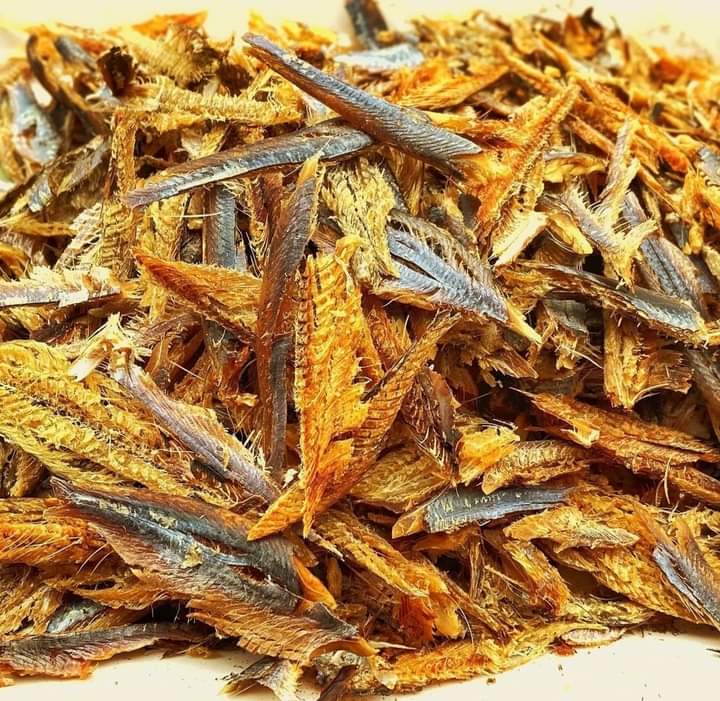
Dried Panla Fish

Dried panla fish, also known as dried stockfish, is a popular ingredient in many West African cuisines. Here are some benefits of using dried panla fish and how to use it in preparing local delicacies: Nutritional Benefits: Dried panla fish is rich in protein, which is essential for building and repairing tissues in the body. It contains various vitamins and minerals, including vitamin D, calcium, and phosphorus, which are important for bone health. It provides omega-3 fatty acids, which are beneficial for heart health and may help reduce inflammation. Long Shelf Life: Dried panla fish has a long shelf life, making it convenient for storage and transportation, especially in regions where fresh fish may not be readily available. Adds Flavor and Umami: Dried panla fish has a strong, savory flavor that adds depth and richness to dishes. It provides a distinctive umami taste, enhancing the overall flavor profile of dishes. Versatility in Cooking: Dried panla fish can be used in various dishes, including soups, stews, sauces, and rice-based dishes. It can be incorporated into both meat and vegetarian recipes to add flavor and nutritional value. Here’s how you can use dried panla fish in preparing local delicacies: Soups and Stews: Dried panla fish can be added to traditional West African soups and stews such as egusi soup, okra soup, or vegetable soup. To use, soak the dried panla fish in warm water for about 30 minutes to rehydrate it before adding it to the soup or stew. Alternatively, you can simmer it in water for a few minutes to soften it. Sauces: Dried panla fish can be used to flavor sauces such as tomato-based sauces or palm nut sauces. You can grind or crush the dried panla fish into smaller pieces and add it directly to the sauce during cooking. Rice Dishes: Dried panla fish can be used to flavor rice dishes such as jollof rice or fried rice. You can either add whole pieces of dried panla fish to the rice while cooking or crumble it into smaller pieces and mix it with the rice. Snacks: Dried panla fish can be fried or grilled and served as a crunchy snack. To prepare, simply season the dried panla fish with spices of your choice and fry or grill until crispy. When using dried panla fish in recipes, be mindful of its saltiness and adjust the seasoning accordingly. Additionally, be sure to check for any bones and remove them before serving to avoid any choking hazards.
Goat Meat pepper Soup

Goat meat pepper soup is a flavorful and spicy Nigerian dish often enjoyed as a comforting meal or as a remedy for colds and ailments. Here’s a basic recipe for preparing goat meat pepper soup along with its potential health benefits: Ingredients: 1 kg of goat meat, cut into bite-sized pieces 1 onion, chopped 2-3 cloves of garlic, minced 1-inch piece of ginger, grated 2-3 Scotch bonnet peppers (or to taste), chopped 2-3 tablespoons of ground crayfish (optional) 2-3 tablespoons of ground pepper soup spice mix (available in stores) or a combination of ground cayenne pepper, black pepper, and other spices 2-3 cups of water or broth Salt to taste Chopped fresh cilantro or parsley for garnish Lime or lemon wedges for serving (optional) Instructions: Prepare the Goat Meat: Rinse the goat meat under cold water and drain excess water. Place the goat meat in a large pot and cover with water. Bring to a boil, then reduce the heat and let it simmer for about 5-10 minutes to partially cook the meat. Drain and set aside. Prepare the Pepper Soup Base: In the same pot, heat some oil over medium heat. Add the chopped onions, minced garlic, and grated ginger. Sauté until the onions are translucent and fragrant. Add Spices and Seasonings: Add the chopped Scotch bonnet peppers, ground crayfish (if using), and ground pepper soup spice mix to the pot. Stir well to combine and let the spices cook for a couple of minutes to release their flavors. Cook the Goat Meat: Return the partially cooked goat meat to the pot with the pepper soup base. Pour in the water or broth, enough to cover the meat. Bring the soup to a simmer and let it cook over low to medium heat for about 1-1.5 hours, or until the goat meat is tender. Adjust Seasoning and Serve: Taste the soup and adjust the seasoning with salt if necessary. You can also add more pepper or spice mix for extra heat if desired. Once the goat meat is tender and the flavors have melded together, remove the pot from the heat. Garnish the goat meat pepper soup with chopped fresh cilantro or parsley. Serve hot with lime or lemon wedges on the side for squeezing over the soup (if desired). Health Benefits of Goat Meat Pepper Soup: Rich in Protein: Goat meat is a good source of protein, which is essential for building and repairing tissues in the body. Protein also helps maintain muscle mass and supports immune function. Vitamins and Minerals: Goat meat contains various vitamins and minerals, including iron, zinc, vitamin B12, and niacin. These nutrients are important for energy production, metabolism, and overall health. Spices and Herbs: Pepper soup spice mix often contains ingredients like ginger, garlic, and Scotch bonnet peppers, which have antimicrobial and anti-inflammatory properties. These ingredients may help boost the immune system and aid in digestion. Hydration: Consuming hot and spicy foods like goat meat pepper soup can help promote hydration and relieve congestion, making it a popular remedy for colds and respiratory ailments. Low in Fat: Goat meat is relatively lean compared to other types of red meat, making it a healthier option for those watching their fat intake. Overall, goat meat pepper soup is a delicious and nourishing dish that provides a balance of protein, vitamins, minerals, and flavorful spices. It’s a comforting meal that can be enjoyed on its own or served with rice, bread, or other accompaniments.
Pineapple Rice

Pineapple rice is a flavorful and aromatic dish that combines the sweetness of pineapple with the savory flavors of rice, vegetables, and spices. Here’s a simple recipe for preparing pineapple rice along with its potential health benefits: Ingredients: 2 cups of cooked rice (preferably long-grain rice like jasmine or basmati) 1 cup of fresh pineapple chunks 1 onion, finely chopped 2 cloves of garlic, minced 1 bell pepper (any color), diced 1 carrot, diced 1 cup of frozen peas, thawed 2 tablespoons of soy sauce or tamari (for a gluten-free option) 2 tablespoons of vegetable oil 2 eggs, beaten (optional) Salt and pepper to taste Chopped green onions or cilantro for garnish Instructions: Prepare the Rice: Cook the rice according to the package instructions until it’s tender and fluffy. Once cooked, set it aside to cool slightly. Stir-Fry the Vegetables: Heat the vegetable oil in a large skillet or wok over medium heat. Add the chopped onion and minced garlic to the skillet. Sauté for 2-3 minutes until the onions are translucent and fragrant. Add the diced bell pepper and carrot to the skillet. Stir-fry for another 3-4 minutes until the vegetables are slightly softened. Add Pineapple and Peas: Add the fresh pineapple chunks and thawed peas to the skillet. Stir to combine with the vegetables and cook for 2-3 minutes until the pineapple is heated through. Add Rice and Soy Sauce: Add the cooked rice to the skillet, breaking up any clumps with a spoon or spatula. Drizzle the soy sauce or tamari over the rice and vegetables. Stir well to evenly distribute the sauce and coat the rice. Optional: Add Eggs for Protein (Optional): Push the rice and vegetables to one side of the skillet to create a space for the eggs. Pour the beaten eggs into the empty space and let them cook undisturbed for a few seconds until they start to set. Use a spatula to scramble the eggs until they’re cooked through, then mix them into the rice and vegetables. Season and Garnish: Season the pineapple rice with salt and pepper to taste. Adjust the seasoning as needed. Garnish the pineapple rice with chopped green onions or cilantro for freshness and color. Serve Hot: Once everything is heated through and well combined, remove the skillet from the heat. Serve the pineapple rice hot as a main dish or as a side dish alongside grilled chicken, shrimp, or tofu. Health Benefits of Pineapple Rice: Rich in Vitamins and Minerals: Pineapple rice contains a variety of vitamins and minerals from the vegetables and pineapple, including vitamin C, vitamin A, potassium, and manganese. Fiber: Vegetables like bell peppers, carrots, and peas add fiber to pineapple rice, which aids in digestion and promotes gut health. Antioxidants: Pineapple is rich in antioxidants like vitamin C and bromelain, which help protect cells from damage caused by free radicals and may reduce inflammation in the body. Protein: If eggs are added to the pineapple rice, they contribute protein, which is essential for building and repairing tissues in the body and helps keep you feeling full and satisfied. Low in Saturated Fat: Pineapple rice is typically prepared with minimal added fats and oils, making it a low-fat option when compared to dishes like fried rice. Overall, pineapple rice is a delicious and nutritious dish that provides a balance of carbohydrates, protein, fiber, vitamins, and minerals. It’s a versatile recipe that can be customized with your favorite vegetables and protein sources to suit your taste preferences and dietary needs.
Products
-
 Stockfish Panla - Body (1kg)
Original price was: ₦38,000.00.₦35,300.00Current price is: ₦35,300.00.
Stockfish Panla - Body (1kg)
Original price was: ₦38,000.00.₦35,300.00Current price is: ₦35,300.00.
-
 Stockfish - Flesh (245g)
Original price was: ₦18,000.00.₦12,500.00Current price is: ₦12,500.00.
Stockfish - Flesh (245g)
Original price was: ₦18,000.00.₦12,500.00Current price is: ₦12,500.00.
-
 Ogbono - (Quarter Bag, 10kg)
Original price was: ₦215,000.00.₦212,690.00Current price is: ₦212,690.00.
Ogbono - (Quarter Bag, 10kg)
Original price was: ₦215,000.00.₦212,690.00Current price is: ₦212,690.00.
-
 Ogbono - (Half Paint Bucket, 1kg)
Original price was: ₦25,000.00.₦23,690.00Current price is: ₦23,690.00.
Ogbono - (Half Paint Bucket, 1kg)
Original price was: ₦25,000.00.₦23,690.00Current price is: ₦23,690.00.
-
 Ogbono (1 Derica, 500g)
Original price was: ₦8,200.00.₦7,299.00Current price is: ₦7,299.00.
Ogbono (1 Derica, 500g)
Original price was: ₦8,200.00.₦7,299.00Current price is: ₦7,299.00.
Top rated products
-
 Egusi - Hand Peeled (1 Paint Bucket, 2.6kg)
Original price was: ₦15,500.00.₦11,550.00Current price is: ₦11,550.00.
Egusi - Hand Peeled (1 Paint Bucket, 2.6kg)
Original price was: ₦15,500.00.₦11,550.00Current price is: ₦11,550.00.
-
 Dried Plantain (1 Paint Bucket, 1.60kg)
Original price was: ₦9,980.00.₦8,550.00Current price is: ₦8,550.00.
Dried Plantain (1 Paint Bucket, 1.60kg)
Original price was: ₦9,980.00.₦8,550.00Current price is: ₦8,550.00.
-
 Prawns - Dry (Big size, Half Paint Bucket- 300g)
Original price was: ₦18,900.00.₦14,500.00Current price is: ₦14,500.00.
Prawns - Dry (Big size, Half Paint Bucket- 300g)
Original price was: ₦18,900.00.₦14,500.00Current price is: ₦14,500.00.
-
 Carrot - (1 paint, 2kg)
Original price was: ₦6,500.00.₦4,400.00Current price is: ₦4,400.00.
Carrot - (1 paint, 2kg)
Original price was: ₦6,500.00.₦4,400.00Current price is: ₦4,400.00.
-
 Asa Fish or Eja Osan -12 Pieces
Original price was: ₦38,700.00.₦34,390.00Current price is: ₦34,390.00.
Asa Fish or Eja Osan -12 Pieces
Original price was: ₦38,700.00.₦34,390.00Current price is: ₦34,390.00.